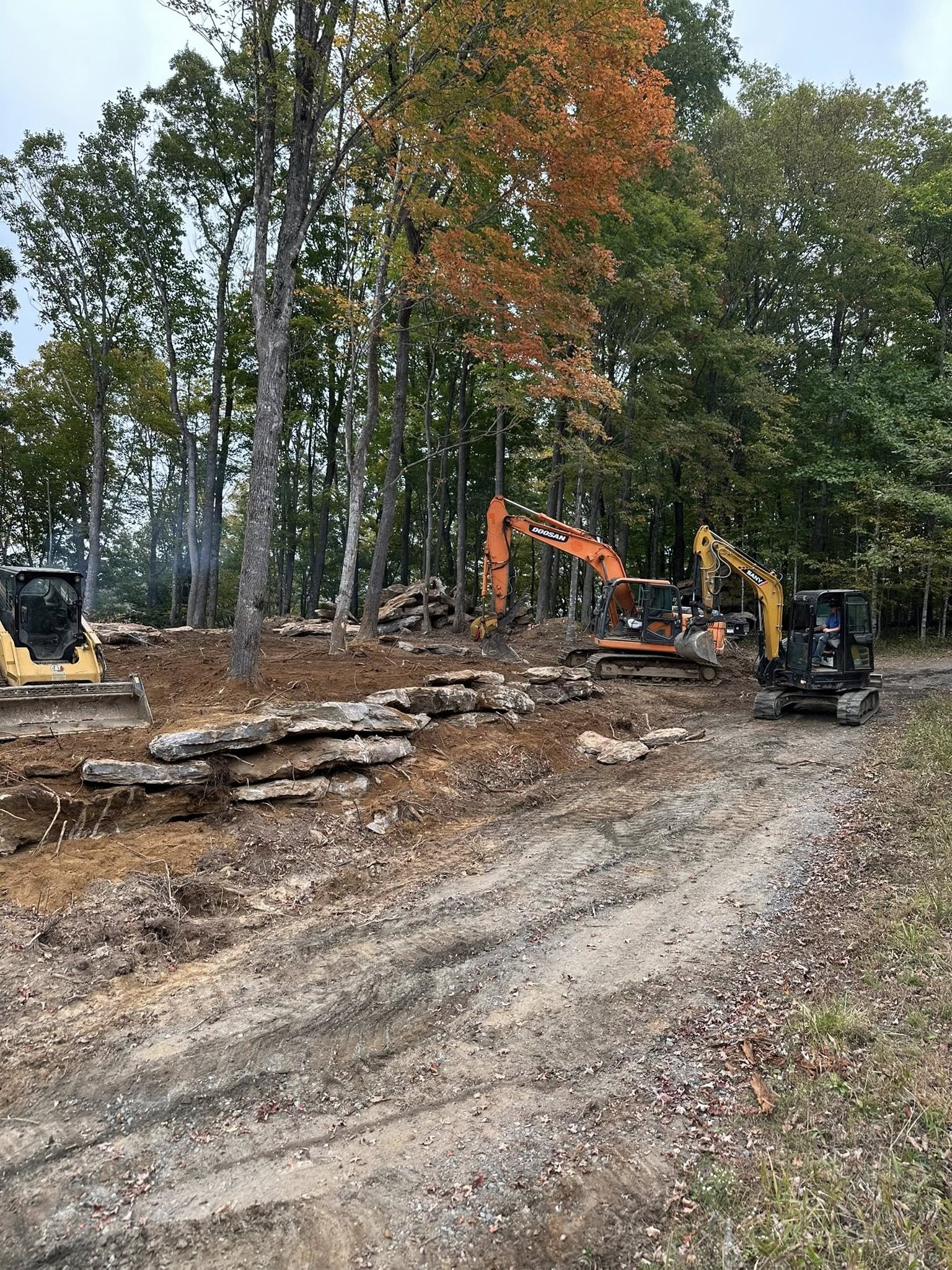
A Comprehensive Guide to Eco-Friendly Land Clearing Mar 17, 2026
Land clearing is an essential first step in any construction or landscaping project. It involves the removal of trees, stumps, and other vegetation to prepare the area for development. However, traditional methods can lead to significant environmental degradation. To mitigate these impacts, it's important to approach land clearing with an eye towards sustainability.
When beginning a land clearing project, the planning stage is crucial. Assess the plot to be cleared and identify any natural habitats that need protection. Conducting an ecological survey can help determine the presence of sensitive ecosystems or endangered species. This step ensures that your project complies with local environmental regulations and preserves biodiversity.
Selective clearing is a sustainable alternative that involves removing only the vegetation that directly obstructs the development area. By retaining some trees and underbrush, you help maintain soil stability and provide habitats for wildlife. Selective clearing can also enhance the aesthetic appeal of the land by retaining mature trees that add value to the property.
Mechanical methods, such as mulching, offer another eco-friendly option for land clearing. Instead of uprooting, mulching processes unwanted vegetation into small, biodegradable pieces, which can enrich the soil. This method reduces the need for burning or hauling debris, lowering the project's carbon footprint.
Another key aspect of eco-friendly land clearing is the management of soil erosion. Without proper care, disturbed soil can lead to water runoff and loss of fertile topsoil. Techniques such as contour plowing, silt fences, and revegetation with native plants can prevent erosion and maintain soil health. These practices not only protect the environment but also ensure the longevity and sustainability of the development.
The use of environmentally friendly equipment is also critical. Low-emission machinery or electric-powered equipment can significantly reduce the carbon footprint of a project. Regular maintenance of equipment ensures efficiency and minimizes fuel consumption. Additionally, opting for local resources or recycled materials for any construction materials needed can further lower environmental impact.
As you embark on a land clearing project, remember that every action has an impact. Consider seeking guidance from professionals who specialize in eco-friendly practices. Companies like Trophy Ridge Grading & Hauling are equipped with the knowledge and experience necessary to execute land clearing projects that respect the natural environment.
In conclusion, eco-friendly land clearing is not only beneficial for the planet but can also lead to more sustainable and cost-effective projects. By employing selective clearing methods, managing soil health, and utilizing green technology, you can ensure your land clearing endeavors are both successful and responsible. Taking the time to incorporate these practices will set a positive precedent for future developments and contribute to a healthier ecosystem overall.
/filters:no_upscale()/filters:format(webp)/media/83fe49be-2bd0-47a2-afb5-d5dc24994e94.jpeg)